

Minimum holding periods are unusual in mainstream contracts for difference, where positions can ordinarily be closed whenever the provider offers a market. Some firms nevertheless impose minimum durations, early-exit charges, or restrictions on particular instruments and account arrangements. These rules are contractual, not an inherent feature of the underlying exchange.
For cfd trading, the distinction between a genuine lockout and a penalty for closing quickly is critical. Both can make a position behave differently from the liquid instrument displayed on its chart, especially when prices move against the original trade.
Short-Term Price Discrepancies Can Trigger Anti-Arbitrage Controls
A provider quoting an instrument from external feeds may worry about orders exploiting delayed prices rather than taking ordinary market exposure. Some agreements prohibit latency arbitrage or allow the provider to review trades that exploit stale quotes. A minimum holding requirement may be presented as a way to discourage rapid entry and exit.
Such restrictions are provider-specific and do not automatically make a brief trade abusive. During fast markets, the distinction matters: a customer attempting to close a legitimate losing position should not assume that a profitable scalping restriction applies equally. Read the prohibited-strategy definitions, order rejection terms, and complaint procedure.
Illiquid Reference Markets Can Make Immediate Closure Unavailable
A CFD referencing a thinly traded bond, small-company share, or specialist commodity may be quoted only during limited dealing windows. A broker might specify a minimum holding interval, although a temporary suspension or absence of executable prices is a different mechanism.
A chart can update from indicative valuations while no firm exit quote exists. The problem intensifies around auctions, trading halts, and market closures. Verify whether the restriction is a fixed contractual duration or simply limited market access, and identify the next available dealing window.
Early-Exit Fees Can Turn a Small Gain Into a Net Loss
Consider a hypothetical share-basket CFD entered at an index level of 2,400 with exposure worth $20 per index point. The broker’s special account terms permit immediate closure but charge $90 if the position is closed within 30 minutes. After ten minutes, the index reaches 2,403, producing a $60 gross gain. Closing then realizes a $30 net loss before spread and financing costs. Waiting until the fee expires exposes the position to further price movement.
The restriction has not prevented execution, but it has changed the break-even threshold. An apparently favorable three-point move is insufficient to cover the contractual charge. Check the fee schedule, when the clock begins, and whether partial closures incur separate fees.
Locked Positions Can Distort Margin and Hedge Decisions
An inability to close one leg of a portfolio can leave exposure in place after the original rationale disappears. Opening an opposing CFD may appear to neutralize market direction, yet the two contracts can require separate margin and generate additional spreads or financing charges.
In cfd trading, a minimum holding rule may therefore increase account pressure without any dramatic movement in the reference price. The assumption that a hedge is equivalent to an exit fails when gross positions remain open and margin is calculated separately. Confirm whether offsetting trades are allowed and how hedged margin is treated.
Provider Exit Rules Can Conflict With Automated Risk Controls
An automated strategy may issue a close instruction seconds after entry when a signal reverses. If the provider enforces a holding restriction, that instruction may be rejected, delayed, or accepted with a charge. A stop-loss order may also receive different treatment from a voluntary close, depending on the agreement.
These differences become most consequential when an algorithm assumes every accepted entry can be reversed immediately. Before opening a CFD, obtain the instrument-specific minimum-duration clause, distinguish prohibited exits from fee-bearing exits, and test how stop orders, manual closures, and margin liquidation are handled during the restricted interval.


Summer Fashion
Summer Fashion
Products
-
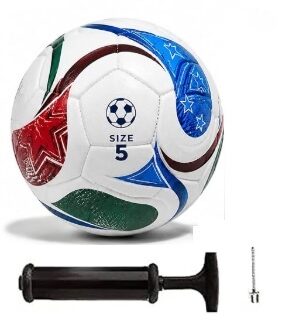 FIFA World Cup Football
-
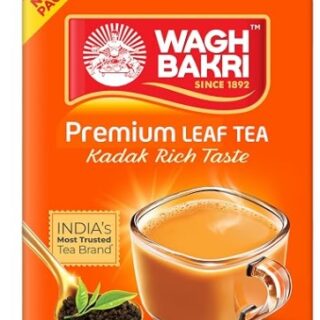 Wagh Bakri Assam Premium Leaf Tea Carton Pack-500 Gram
Original price was: ₹325.00.₹319.00Current price is: ₹319.00.
-
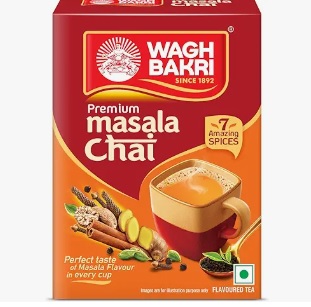 Wagh Bakri Premium Spiced Tea - 250 Gram
Original price was: ₹199.00.₹160.00Current price is: ₹160.00.
-
 Wagh Bakri Premium Spiced Tea- 500 Gram
Original price was: ₹379.00.₹325.00Current price is: ₹325.00.
-
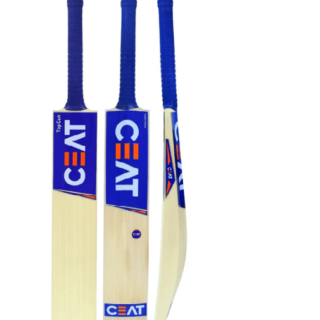
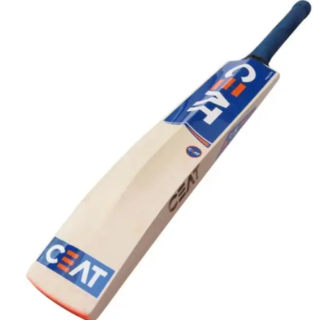 CEAT Poplar Willow Cricket Bat – Size 6
Original price was: ₹2,450.00.₹999.00Current price is: ₹999.00.