
Let’s talk about energy efficiency. It’s a phrase we hear constantly, but when it comes to windows, what does it actually mean? And more importantly, how can you ensure the windows you choose for your home are genuinely energy-efficient?
The truth is, window energy performance isn’t about a single feature. It’s a combination of factors working together. Understanding these factors will help you make informed decisions, reduce your energy bills, and create a more comfortable home year-round.
Here’s a breakdown of what really matters.
Frame Material: More Than Just Looks
The material of your window frame plays a significant role in thermal performance. Different materials have different natural insulating properties.
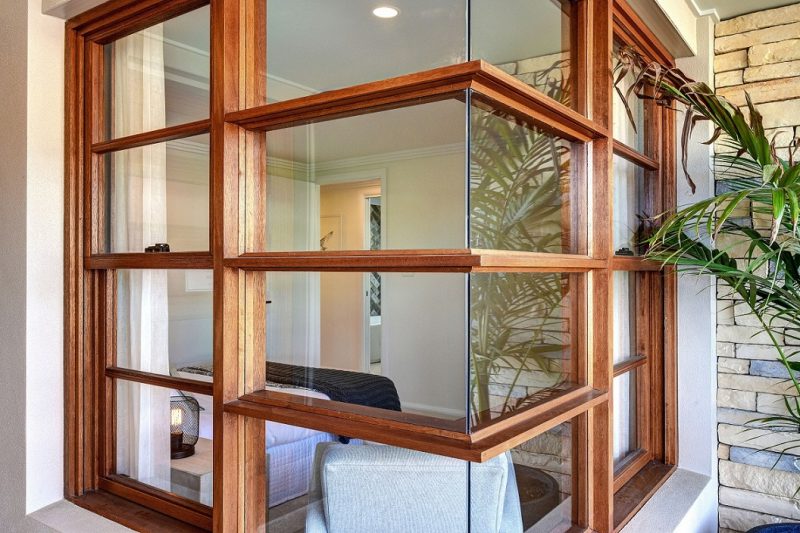
Timber is a natural insulator, significantly outperforming other materials in maintaining comfortable indoor temperatures . This is a great benefit in Victoria, where seasonal fluctuations can be extreme. By minimising temperature fluctuations, timber windows help keep homes warm during winter and cool during summer, while also reducing condensation—a common issue in modern, airtight buildings .
Aluminium, while incredibly strong and durable, is naturally conductive. However, modern aluminium windows incorporate “thermal breaks”—insulating barriers within the frame that prevent heat transfer. This technology allows aluminium to deliver excellent energy performance while maintaining its sleek, contemporary aesthetic.
Glazing: The Glass Matters
The glass itself is where much of the energy efficiency magic happens.
Double Glazing is now considered standard for energy-efficient homes. Two panes of glass with an insulating layer of argon gas in between create a powerful thermal barrier. This dramatically reduces heat loss in winter and heat gain in summer, slashing your energy bills.
Low-E Coatings are microscopically thin, virtually invisible metal layers applied to glass. They reflect heat back into the room during winter and reflect solar heat away during summer. The right Low-E coating can be tailored to match your climate zone and orientation .
The combination of double glazing and Low-E coatings can save homeowners 7% to 15% on utility bills, with ultra-efficient windows performing at least 50% better than standard windows .
Air Infiltration: The Silent Energy Thief
Even the best frame and glazing are useless if air can leak through gaps. Uncontrolled air movement through windows, known as air infiltration, greatly impacts a home’s energy efficiency . During winter, cold air seeping in forces your heating system to work harder. During summer, conditioned air escapes.
High-quality windows use precision weather seals to prevent drafts and maintain a consistent indoor temperature . Valley Windows, for instance, has developed industry-leading windows with exceptionally low air infiltration rates by using the highest-quality sealing technologies .
Orientation: Working with the Sun
The position of your windows relative to the sun is a fundamental factor in passive solar design. North-facing windows are especially important in the southern hemisphere—they allow the low-angled winter sun to warm your interiors, while well-designed eaves help block the high summer sun .
Strategic window placement can make a dramatic difference to internal temperatures. A project by Valley Windows and AHR Builders used a north-facing orientation to flood the whole home with natural light while maintaining energy efficiency .
Window-to-Wall Ratio: Finding the Balance
The number and size of your windows significantly affect energy performance. While large windows bring in light and views, they can also be sources of heat loss or gain. Research shows that the optimum window-to-wall ratio for reducing heating and cooling loads is typically between 20% and 32% .
Lower window heights reduce heat loss or gain but correspondingly increase the energy consumption of artificial lighting—it’s a delicate balance .
Bringing It All Together
Energy-efficient windows are the result of thoughtful design choices. The frame material, glazing, seals, and orientation all work together to create a comfortable, sustainable home.
Valley Windows offers a range of timber and aluminium solutions designed for Australian conditions. Their commitment to quality sealing technologies and energy-efficient options ensures your windows perform beautifully for decades.


Summer Fashion
Summer Fashion
Products
-
 FIFA World Cup Football
-
 Wagh Bakri Assam Premium Leaf Tea Carton Pack-500 Gram
Original price was: ₹325.00.₹319.00Current price is: ₹319.00.
Wagh Bakri Assam Premium Leaf Tea Carton Pack-500 Gram
Original price was: ₹325.00.₹319.00Current price is: ₹319.00.
-
 Wagh Bakri Premium Spiced Tea - 250 Gram
Original price was: ₹199.00.₹160.00Current price is: ₹160.00.
Wagh Bakri Premium Spiced Tea - 250 Gram
Original price was: ₹199.00.₹160.00Current price is: ₹160.00.
-
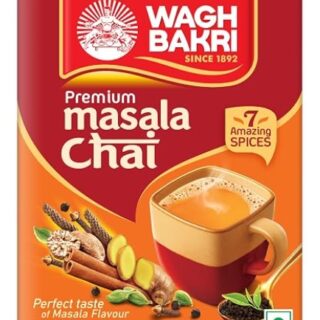 Wagh Bakri Premium Spiced Tea- 500 Gram
Original price was: ₹379.00.₹325.00Current price is: ₹325.00.
Wagh Bakri Premium Spiced Tea- 500 Gram
Original price was: ₹379.00.₹325.00Current price is: ₹325.00.
-
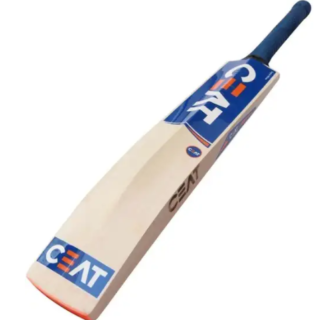 CEAT Poplar Willow Cricket Bat – Size 6
Original price was: ₹2,450.00.₹999.00Current price is: ₹999.00.
CEAT Poplar Willow Cricket Bat – Size 6
Original price was: ₹2,450.00.₹999.00Current price is: ₹999.00.