

Replacing a fleet vehicle too early can waste useful service life. Replacing it too late can leave drivers dealing with unreliable vehicles, repeated repairs and unplanned downtime. Efficient replacement planning is therefore a timing decision, not simply a rule based on age.
A good decision begins with evidence from the vehicle’s actual use. Mileage matters, but it should sit alongside maintenance history, breakdown frequency, repair patterns and the type of work the vehicle performs. Two vehicles bought in the same month can age very differently if one works long motorway routes and the other spends its days stopping, starting and idling in urban traffic.
The driver’s experience adds another layer. Drivers often notice changes before a spreadsheet shows a clear trend. A vehicle may begin to feel less predictable, develop repeated warning lights or spend more time waiting for small repairs. Those reports should be recorded and compared with workshop information. One complaint is not automatically a reason to replace a vehicle, but a pattern can help managers see when reliability is slipping.
Replacement planning also affects fleet availability. If several similar vehicles are bought at the same time, they may reach expensive maintenance stages together. Staggering replacement can spread purchasing decisions and reduce the chance that too many units need attention at once. The right cycle will depend on the business, vehicle type, annual mileage and finance arrangements.
So it’s important to note that fleet insurance can place several business vehicles within a single commercial motor policy. It can be used for different vehicle types, according to the insurer and chosen policy, and may reduce administration by bringing vehicles under a common renewal arrangement. Appropriate fleet insurance can also make it easier to manage changes when vehicles enter or leave the fleet, although the operator still needs to notify the insurer correctly and follow the policy terms.
A replacement vehicle should be selected for the job it will actually do. Payload, passenger needs, access restrictions, fuel type, range, body configuration and equipment can all matter. Buying a newer version of the old vehicle without reviewing the work pattern can repeat an inefficient choice. Driver feedback can be useful here because drivers know where storage, visibility, cab access or manoeuvrability creates everyday problems.
Timing the change is only half the task. The outgoing vehicle has to be removed from operational plans, while the replacement needs to be prepared for work. That may involve inspections, equipment fitting, branding, telematics, driver familiarisation and updates to internal records. The changeover should be planned so a new vehicle is not technically available but operationally unusable.
Insurance administration belongs in that handover. A fleet policy can simplify the structure of covering several vehicles, but changes to vehicle details and drivers still need to be handled in line with the policy. A fleet manager should not assume that buying or selling a vehicle automatically updates the insurance position. Records should show when the old vehicle leaves and when the replacement is ready to enter service.
Replacement decisions can also improve standardisation. A fleet with many different models may need a wider range of parts, training and workshop knowledge. In some operations, choosing fewer vehicle types can simplify maintenance and driver familiarisation. In others, specialist work justifies a mixed fleet. Efficiency comes from matching the fleet to the work, not from forcing every vehicle into the same specification.
The best replacement plan gives managers time to act before reliability becomes a daily problem. It can also help avoid last-minute substitutions that place an unsuitable vehicle on a route simply because no better option is ready. It uses maintenance data, driver observations and operational demand to identify a sensible change point. Fleet insurance sits within the administrative framework around those vehicles, while replacement planning keeps the physical fleet suited to the work it must perform. When both are kept current, drivers are less likely to be left with vehicles that no longer fit the job.


Summer Fashion
Summer Fashion
Products
-
 FIFA World Cup Football
-
 Wagh Bakri Assam Premium Leaf Tea Carton Pack-500 Gram
Original price was: ₹325.00.₹319.00Current price is: ₹319.00.
Wagh Bakri Assam Premium Leaf Tea Carton Pack-500 Gram
Original price was: ₹325.00.₹319.00Current price is: ₹319.00.
-
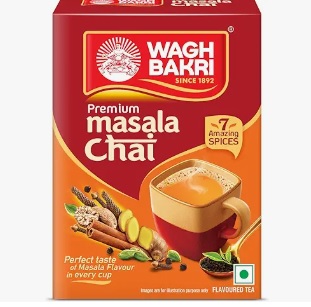 Wagh Bakri Premium Spiced Tea - 250 Gram
Original price was: ₹199.00.₹160.00Current price is: ₹160.00.
Wagh Bakri Premium Spiced Tea - 250 Gram
Original price was: ₹199.00.₹160.00Current price is: ₹160.00.
-
 Wagh Bakri Premium Spiced Tea- 500 Gram
Original price was: ₹379.00.₹325.00Current price is: ₹325.00.
Wagh Bakri Premium Spiced Tea- 500 Gram
Original price was: ₹379.00.₹325.00Current price is: ₹325.00.
-
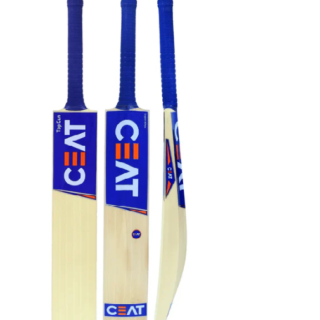
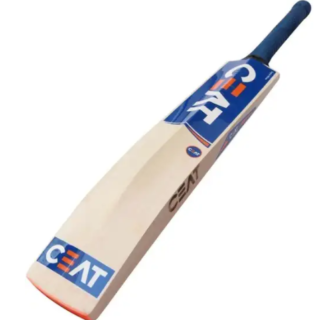 CEAT Poplar Willow Cricket Bat – Size 6
Original price was: ₹2,450.00.₹999.00Current price is: ₹999.00.
CEAT Poplar Willow Cricket Bat – Size 6
Original price was: ₹2,450.00.₹999.00Current price is: ₹999.00.