
Mobile crushing equipment has changed how construction and demolition waste is handled on site. Instead of transporting large volumes elsewhere, contractors can process concrete, stone, brick, and rubble close to where they arise. This supports faster workflows, cleaner sites, lower transport demands, improved material recovery, and project control each day.
Construction and demolition projects generate substantial quantities of hard material that must be managed safely and efficiently. Mobile jaw crushers give contractors a practical way to reduce bulky rubble directly at the worksite. Their ability to move between working areas makes them useful on projects where space, access, and material volumes can vary. By crushing concrete, stone, brick, and similar feed material into smaller sizes, mobile jaw crushers can support site clearance, recycling, and material preparation. Understanding how these machines are used helps project teams plan operations carefully, control waste movements, and improve productivity without relying entirely on off-site processing.
What Mobile Jaw Crushers Do on Site
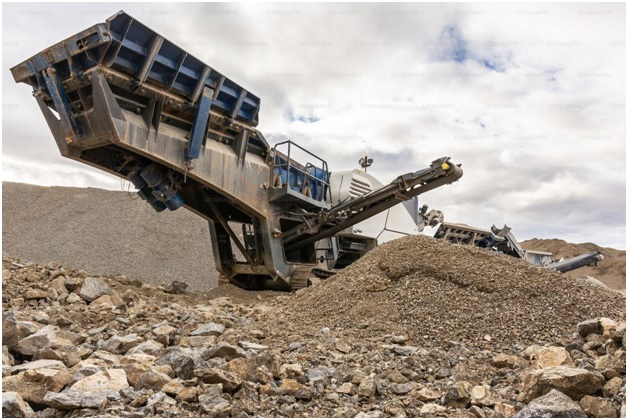
A mobile jaw crusher reduces large pieces of hard material by compressing them between a fixed jaw and a moving jaw. The repeated movement breaks the feed into smaller pieces, which then travel along a conveyor for stockpiling, screening, or further processing.
Because the crusher can move closer to the source material, contractors do not need to carry bulky rubble across the entire site. Tracked machines can reposition as work progresses, while wheeled units may suit projects with planned access and stable operating areas.
Processing Concrete, Brick, and Masonry
Demolition sites often contain concrete, blocks, bricks, stone, and mixed masonry. These materials take up valuable space and can be difficult to transport in large sections. Crushing them creates smaller, more manageable material and helps keep clearance work moving.
Suitable feed preparation is essential. Timber, plastics, insulation, and other contaminants should be removed before crushing. Reinforcing metal must also be managed through appropriate separation equipment and safe working procedures. Cleaner input generally leads to cleaner, more useful output.
Supporting Construction Site Preparation
Mobile crushing also supports construction projects where excavated rock, natural stone, or hard material must be reduced before reuse or removal. Processed material may be suitable for access routes, working platforms, drainage layers, or general fill when it meets the required project specification.
The intended use should be confirmed before crushing starts. Output size, cleanliness, and grading requirements influence the machine setting and any screening needed afterwards. Clear planning helps prevent unnecessary reprocessing and avoids producing material that cannot be used.
Reducing Transport and Material Handling
Large rubble can require repeated loading, extra vehicles, and considerable storage space. Crushing near the point of generation reduces its size and makes internal site movements easier. It may also reduce the number of journeys needed to remove waste or deliver new aggregate.
The benefit depends on feed quality, local requirements, site layout, and whether the crushed material is approved for reuse. These factors should be assessed during project planning rather than after processing has already begun.
Improving Material Recovery and Reuse
A key benefit of on-site crushing is the ability to recover usable material. Concrete and masonry can be turned into recycled aggregate instead of waste, improving resource efficiency and reducing storage needs.
Consistent feeding is important for stable output from mobile jaw crushers. After crushing, screening may be used to sort sizes, with oversized material reprocessed and suitable material sent for storage or reuse.
Working in Restricted Areas
Construction and demolition projects often take place between existing buildings or inside busy redevelopment zones. Compact mobile equipment can be useful where a permanent crushing arrangement would be impractical.
The machine still needs enough space for loading, conveyor discharge, stockpiles, maintenance access, and safe movement. Poor positioning can cause congestion and interrupt other site activities. Planning the working area before delivery helps avoid these problems.
Managing Feed Size and Crusher Settings
Every crusher has limits for feed size, output capacity, and finished product size. Oversized material can cause blockages and reduce production, so it should be pre-sized when needed.
Jaw settings control output size: tighter settings produce finer material but may reduce capacity and increase wear. Adjustment depends on feed and required result.
Some machines offer reverse action and automated controls to improve consistency and handle blockages, following manufacturer guidance.
Maintaining Efficient Production
Steady feeding is important for productive crushing. Loading too quickly can overload the chamber, while irregular feeding creates delays. The excavator or loading equipment should be matched to the crusher so material enters at a controlled rate.
Operators should monitor the feed opening, conveyor loading, discharge area, and stockpile throughout the shift. Early adjustments can prevent larger interruptions. Production targets should also reflect the condition of the material, as wet or reinforced feed may process differently from clean stone.
Controlling Dust, Noise, and Disruption
Crushing creates dust and noise, so suitable controls must be planned in advance. Water suppression, maintained components, organised traffic routes, and careful machine positioning can help reduce disruption.
Clear separation zones protect workers and support coordination with other contractors. Good housekeeping also matters because loose debris near loading and discharge areas can create avoidable hazards.
Prioritising Safety and Maintenance
Only trained and authorised personnel should operate a mobile jaw crusher. Safe loading, exclusion zones, emergency procedures, and clear communication are essential. Never approach blockages or moving parts until the machine is fully isolated.
Daily inspections help detect wear, leaks, damage, and conveyor issues early. Jaw plates and other wear parts should be checked regularly as they affect performance.
Preventive maintenance, following service schedules, and responding to warning signs help ensure reliable output and reduce downtime.
Choosing the Right Machine
Crusher selection depends on material, volume, space, transport, and required output. Smaller tracked units suit tight sites, while larger machines handle higher production and bigger feed sizes.
The full setup must also match the crusher’s output, including screens, conveyors, and stockpiles, to avoid bottlenecks.
The biggest machine is not always best—equipment should fit the job, site conditions, and operating needs to ensure efficiency and control costs.
Conclusion
Mobile crushing is essential in construction and demolition work because it processes hard material directly on site, reducing transport and improving efficiency. It supports recycling, site clearance, and better material handling when the right machine is chosen and operated safely. With proper setup and use, mobile jaw crushers help create cleaner, more productive worksites while improving resource use.


Summer Fashion
Summer Fashion
Products
-
 FIFA World Cup Football
-
 Wagh Bakri Assam Premium Leaf Tea Carton Pack-500 Gram
Original price was: ₹325.00.₹319.00Current price is: ₹319.00.
Wagh Bakri Assam Premium Leaf Tea Carton Pack-500 Gram
Original price was: ₹325.00.₹319.00Current price is: ₹319.00.
-
 Wagh Bakri Premium Spiced Tea - 250 Gram
Original price was: ₹199.00.₹160.00Current price is: ₹160.00.
Wagh Bakri Premium Spiced Tea - 250 Gram
Original price was: ₹199.00.₹160.00Current price is: ₹160.00.
-
 Wagh Bakri Premium Spiced Tea- 500 Gram
Original price was: ₹379.00.₹325.00Current price is: ₹325.00.
Wagh Bakri Premium Spiced Tea- 500 Gram
Original price was: ₹379.00.₹325.00Current price is: ₹325.00.
-
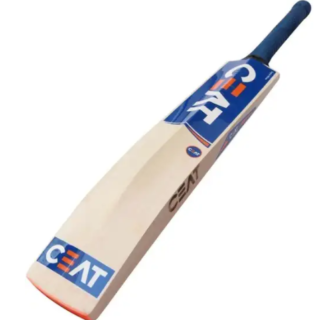 CEAT Poplar Willow Cricket Bat – Size 6
Original price was: ₹2,450.00.₹999.00Current price is: ₹999.00.
CEAT Poplar Willow Cricket Bat – Size 6
Original price was: ₹2,450.00.₹999.00Current price is: ₹999.00.