

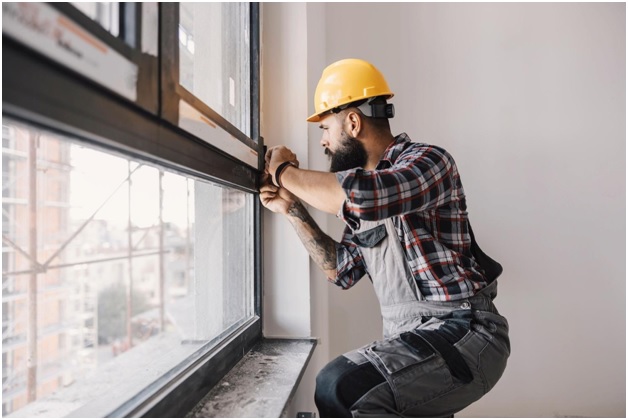
Glass quietly shapes how buildings feel, function, and perform. From safety and insulation to light and style, the work behind it often goes unnoticed—until something goes wrong. Understanding what glaziers do helps you make smarter decisions when repairs, upgrades, or replacements become unavoidable.
The Role and Importance of Glaziers Today
Glass has moved far beyond its traditional role as a transparent barrier. In today’s homes and commercial spaces, it directly affects insulation levels, security, acoustics, and the quality of natural light. As expectations around energy performance and safety have risen, specialist input has become essential. For many property owners, working with glaziers in Kent offers access to professionals who treat glass as a functional building component rather than a decorative afterthought.
A glazier is a trained trade professional responsible for cutting, fitting, repairing, and replacing glass across a wide range of settings. Typical work includes windows, doors, shopfronts, internal partitions, mirrors, balustrades, and specialist glazing systems. Modern glazing must now meet performance ratings, safety requirements, and energy efficiency standards, all of which demand technical accuracy and informed decision-making.
Although glass may appear simple, incorrect installation often leads to heat loss, condensation, or stress fractures over time. Professional glazing ensures long-term reliability by accounting for both the material and its surrounding structure.
Core Skills That Define a Professional Glazier
● Precision and Technical Accuracy
Glass tolerances are unforgiving. Even small measurement errors can lead to cracks, drafts, or misalignment. Glaziers are trained to measure precisely, cut accurately, and install with care, ensuring a secure and long-lasting fit.
● Knowledge of Modern Glass Types
Today’s glazing includes toughened glass, laminated safety glass, double and triple glazing, acoustic glass, and low-emissivity (low-E) glass. Each type has a specific purpose, and a glazier must know when and where each option performs best.
● Safety Awareness
Glass handling carries inherent risks. Professional glaziers follow strict safety standards, using protective equipment and safe installation methods. This is particularly important for overhead glazing, large panes, or high-traffic areas.
● Understanding of Building Regulations
In the UK, glazing must meet regulations relating to thermal performance, impact safety, and accessibility. Glaziers ensure installations comply with current standards, helping property owners avoid future compliance issues.
Common Glazing Services Explained
Window Installation and Replacement
Windows account for up to 25–30% of a home’s heat loss if poorly insulated. Modern glazing significantly improves thermal performance. Glaziers assess frames, recommend suitable glass units, and install them to minimise drafts and condensation.
Glass Repairs and Emergency Work
Cracked or shattered glass compromises safety and security. Professional glaziers provide repair or replacement services that restore protection quickly, particularly for doors, windows, or commercial fronts.
Double and Triple Glazing Upgrades
Upgrading older single-glazed units can reduce energy bills and improve comfort. Double glazing typically reduces heat loss by up to 50% compared to single panes, while triple glazing offers even greater insulation in suitable properties.
Interior Glass Solutions
Glass is increasingly used inside buildings for partitions, balustrades, shower screens, and mirrors. These solutions allow light to flow while maintaining separation, contributing to modern, open interiors.
When Should You Call a Glazier?
1. Persistent Draughts or Condensation
If windows feel cold or show condensation between panes, the sealed unit may have failed. A glazier can diagnose the issue and recommend replacement before further energy loss occurs.
2. Visible Damage or Cracks
Even small cracks can weaken glass over time. Prompt attention prevents sudden breakage and reduces the risk of injury or further damage.
3. Renovation or Refurbishment Projects
During home or commercial upgrades, glazing choices affect aesthetics, insulation, and compliance. Involving a glazier early ensures suitable materials are specified from the outset.
4. Noise Issues
Acoustic glazing can significantly reduce external noise, particularly in busy areas. A glazier can advise on glass thickness and configurations designed to improve sound insulation.
The Benefits of Professional Glazing
Working with a trained glazier delivers long-term value beyond the initial installation. Correctly installed glazing improves comfort, reduces energy consumption, and enhances safety.
In the middle of any property improvement project, consulting glaziers in Kent ensures the glass elements are not treated as an afterthought. Their expertise helps align visual appeal with performance, whether for a small domestic repair or a larger upgrade.
Professional glazing also reduces future maintenance issues. Poor installation often leads to leaks, warped frames, or recurring condensation—problems that cost more to fix later.
Key Terms Made Simple
- Toughened Glass: Heat-treated glass that is stronger than standard glass and breaks into small, blunt fragments for safety.
- Laminated Glass: Glass layers bonded with a plastic interlayer, holding together when shattered.
- Low-E Glass: Coated glass that reflects heat back into the room, improving energy efficiency.
- U-Value: A measure of how well a window insulates; lower values mean better insulation.
Understanding these terms helps property owners make informed choices without needing technical expertise.
Practical Tips for Choosing the Right Glazing Solution
- Assess the purpose first: Safety, insulation, noise reduction, or appearance should guide glass selection.
- Check compatibility: Not all frames suit all glass types; professional assessment avoids costly mistakes.
- Think long term: Higher-quality glazing often delivers better savings and durability over time.
- Prioritise compliance: Ensure all glazing meets current building and safety regulations.
- Avoid quick fixes: Temporary repairs often lead to repeat issues; proper replacement is usually more effective.
These considerations help ensure glazing decisions deliver lasting value rather than short-term solutions.
How Glazing Impacts Energy and Comfort
Energy-efficient glazing plays a growing role in sustainable buildings. According to industry estimates, upgrading inefficient windows can reduce household heating demand by up to 20%. This directly affects energy bills and indoor comfort.
Modern glazing also controls solar gain, helping keep interiors cooler in summer while retaining warmth in winter. Combined with proper installation, this creates a more stable indoor environment year-round.
Beyond temperature, well-fitted glazing reduces drafts and external noise, improving overall living and working conditions without structural changes.
Why Experience Matters in Glazing Work
Glass installations often look straightforward once completed, but the process behind them requires training and experience. A professional glazier understands how glass behaves under stress, temperature changes, and long-term use.
Mistakes in glazing can remain hidden until problems appear months later. Experienced glaziers anticipate these risks and install glass in a way that accounts for movement, load, and exposure.
For property owners, this expertise translates into fewer repairs, better performance, and greater peace of mind.
Closing Summary: Making the Right Call
Glass is an essential yet often overlooked part of any building. Whether it is a window that no longer insulates properly, a damaged pane affecting safety, or a planned upgrade to improve comfort, professional support makes a clear difference. Skilled glaziers bring together technical knowledge, safety awareness, and practical judgement to ensure glass works as it should—not just on day one, but for years to come.
Choosing experienced glaziers in Kent means investing in accuracy, compliance, and long-term performance rather than temporary fixes. If glass in your property shows signs of wear, inefficiency, or damage, acting early prevents bigger problems later. The right expertise ensures clarity, comfort, and confidence in every pane installed.


Summer Fashion
Summer Fashion
Products
-
 FIFA World Cup Football
-
 Wagh Bakri Assam Premium Leaf Tea Carton Pack-500 Gram
Original price was: ₹325.00.₹319.00Current price is: ₹319.00.
Wagh Bakri Assam Premium Leaf Tea Carton Pack-500 Gram
Original price was: ₹325.00.₹319.00Current price is: ₹319.00.
-
 Wagh Bakri Premium Spiced Tea - 250 Gram
Original price was: ₹199.00.₹160.00Current price is: ₹160.00.
Wagh Bakri Premium Spiced Tea - 250 Gram
Original price was: ₹199.00.₹160.00Current price is: ₹160.00.
-
 Wagh Bakri Premium Spiced Tea- 500 Gram
Original price was: ₹379.00.₹325.00Current price is: ₹325.00.
Wagh Bakri Premium Spiced Tea- 500 Gram
Original price was: ₹379.00.₹325.00Current price is: ₹325.00.
-
 CEAT Poplar Willow Cricket Bat – Size 6
Original price was: ₹2,450.00.₹999.00Current price is: ₹999.00.
CEAT Poplar Willow Cricket Bat – Size 6
Original price was: ₹2,450.00.₹999.00Current price is: ₹999.00.