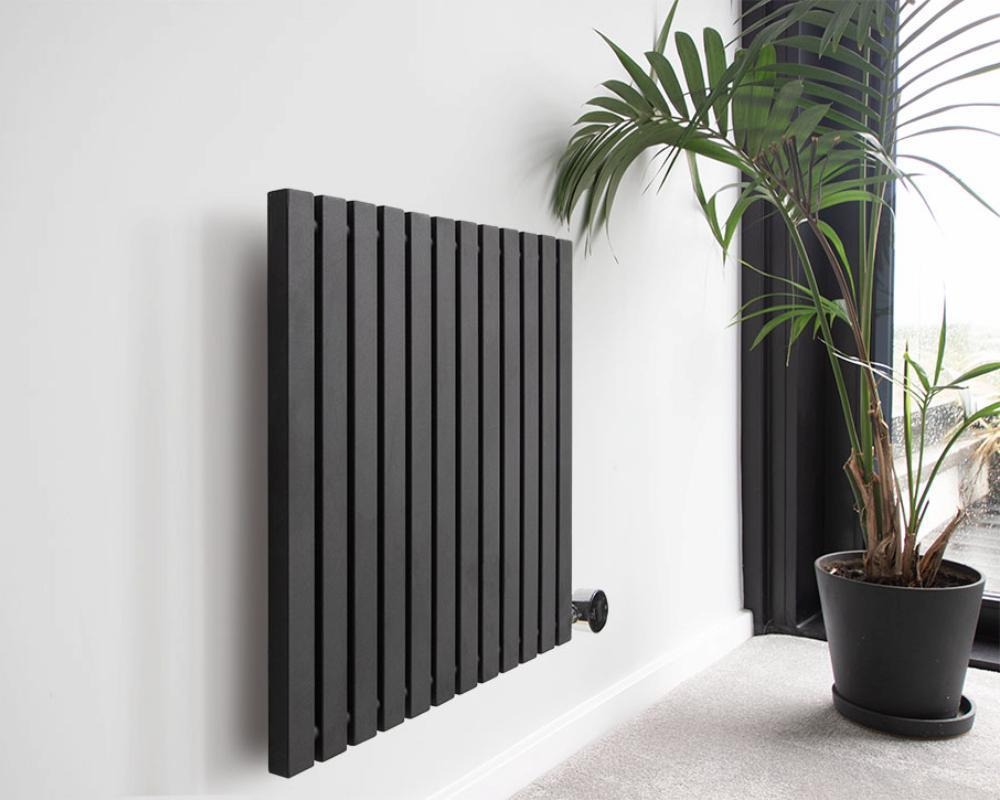
Electric radiators are designed to provide steady, reliable warmth while maintaining high energy efficiency. They convert electricity into heat quickly and distribute it evenly throughout the room. Smart temperature controls help maintain consistent comfort without unnecessary power use, resulting in a heating solution that feels both natural and cost-effective. Below, the key methods behind heat generation and efficient distribution are covered.
Heating a home no longer needs to be complex or intrusive. Modern heating demands systems that are efficient, flexible, and easy to control at a room level. Electric radiators meet these demands by operating independently of central boilers and pipe networks, converting electrical energy directly into heat exactly where it is needed. This localized approach allows faster heat-up times, stable indoor temperatures, and accurate room-by-room control.
At a functional level, electric radiators use resistive heating elements made from high-conductivity alloys. As electrical current passes through the element, resistance generates heat that is transferred to the radiator body and released into the room through convection and radiant heat. Because no energy is lost through fuel combustion or long-distance heat transfer, nearly all the electricity consumed is converted into usable warmth within the living space.
From Power to Warmth: The Heating Process
The heating element is the heart of the system. As current passes through it, the element heats up rapidly. That heat is then transferred to the radiator body, which is carefully designed to release warmth in a controlled manner. Because there is no warm-up delay from water or fuel, heat output begins almost immediately after switch-on.
Modern designs often combine metal alloys with high thermal conductivity. These materials absorb heat evenly and release it gradually, avoiding sharp temperature spikes. This steady release supports a stable indoor climate, reducing the uncomfortable swings often associated with older heating methods.
The Role of Convection and Radiation
Heat distribution relies on two natural processes working together. Convection occurs when air near the radiator warms, becomes lighter, and rises. Cooler air then moves in to replace it, creating a gentle circulation that spreads warmth throughout the space. This process is continuous and quiet, ensuring even coverage without mechanical fans.
Radiant heat works differently. The warm surface of the radiator emits infrared energy that travels directly to walls, furniture, and occupants. This form of heat is instantly felt and contributes to overall comfort, even before the air temperature rises. The combination of convection and radiation ensures both quick warmth and lasting balance.
Temperature Control and Energy Use
Precise control is a defining advantage of electric heating. Built-in thermostats monitor room temperature and adjust output automatically. When the desired level is reached, the radiator reduces power draw rather than cycling fully on and off. This modulation lowers energy use while maintaining comfort.
Many modern systems allow individual room settings. Heating is supplied only where and when it is needed, which can significantly reduce unnecessary consumption. Studies from energy agencies indicate that zoned heating can lower household energy use by up to 20 percent compared to whole-house systems running continuously.
Thermal Retention and Steady Output
Some designs incorporate internal cores that store heat and release it slowly. These cores absorb warmth while the element is active and continue to emit heat after power is reduced. The effect is smoother temperature maintenance and fewer rapid fluctuations.
By holding warmth longer, the radiator operates less frequently, which supports efficiency without compromising comfort. This approach is particularly effective in well-insulated spaces, where retained heat remains useful for extended periods.
Installation Simplicity and System Efficiency
Because they operate independently, electric radiators avoid the losses associated with pipework, pumps, and central distribution. There is no need to move heat from one location to another, so efficiency depends mainly on how well the room retains warmth.
This simplicity also means performance is predictable. Output is measured, controlled, and delivered exactly where required. With fewer components involved, reliability improves and maintenance demands remain low over time.
Practical Ways to Improve Performance
Efficiency is influenced not only by the appliance but also by how it is used. Positioning the radiator to allow free air movement enhances convection. Avoiding obstruction ensures radiant heat reaches the room effectively. Maintaining accurate thermostat settings prevents unnecessary power use.
Insulation plays a critical supporting role. When walls, windows, and doors limit heat loss, the radiator works less to maintain comfort. Even modest improvements in insulation can amplify the benefits of controlled electric heating.
Looking Ahead: Smarter Heating Choices
Advances in digital controls continue to refine how heat is managed. Timers, sensors, and adaptive algorithms align heating output with daily routines. This intelligent regulation reduces waste while preserving comfort, aligning household heating with modern expectations of efficiency and convenience.
As energy grids increasingly incorporate renewable sources, electric heating becomes even more relevant. Direct conversion of electricity to heat pairs well with cleaner generation, supporting long-term sustainability goals without altering indoor comfort standards.
Conclusion
Home heating works best when efficiency and comfort are balanced through thoughtful design and informed use. Understanding how warmth is created, stored, and shared across a room helps households make choices that feel practical rather than technical. Electric systems convert power directly into usable heat, distribute it evenly through natural processes, and respond quickly to changing needs. With precise controls and minimal losses, they offer clarity and reliability in everyday use. When paired with good insulation and sensible temperature settings, these systems maintain comfort without unnecessary consumption. As energy habits evolve, flexible heating solutions will remain central to modern living. Choosing electric radiators is not simply about convenience; it reflects a preference for control, predictability, and measured efficiency. By focusing on how heat behaves indoors, homeowners can create spaces that feel consistently warm, cost-aware, and aligned with the demands of contemporary life.