Selecting an awning for a commercial property goes beyond visual appeal—it is a considered business decision. A well-chosen design not only improves the exterior appearance but also offers reliable protection from weather conditions, shaping how customers experience your space.
As you review different options, it is essential to think beyond style alone. Practical aspects such as durability, usability, and regulatory requirements all contribute to long-term performance. Taking these factors into account will help ensure your investment is both effective and sustainable.
Understanding the Purpose of Your Awning
Before diving into styles and materials, clarify the primary purpose of your awning. Different commercial settings have different needs, and your choice should reflect that. When planning custom awnings, it’s especially important to align the design with how the space will actually be used day to day.
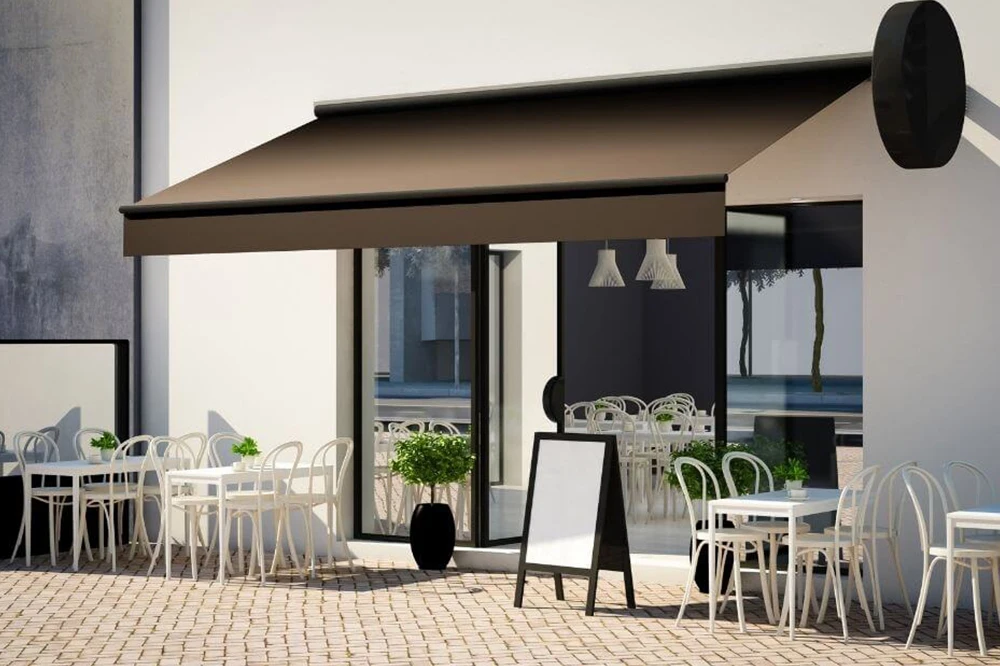
For example, a café may require shading for outdoor seating, while a retail shop might prioritise branding and window display protection. Offices, hotels, and restaurants each have unique functional requirements, from weather shielding to energy efficiency.
Ask yourself:
- Is the awning mainly for shade, rain protection, or both?
- Will it serve as a branding element?
- Does it need to accommodate foot traffic or seating areas?
A clear understanding of purpose will guide every other decision.
Choosing the Right Material
Material selection is critical for both performance and longevity. Commercial awnings are exposed to varying weather conditions, so durability should be a top priority.
Common materials include:
- Acrylic fabrics: Known for colour retention and resistance to fading.
- PVC-coated fabrics: Highly waterproof and easy to clean.
- Metal or aluminium: Durable and low maintenance, often used for permanent structures.
Each material has its advantages, but the best choice depends on your local climate, maintenance expectations, and overall design goals. Investing in high-quality materials can reduce long-term repair and replacement costs.
Design and Branding Considerations
Awnings are a visible extension of your brand. The design should complement your property while reinforcing your identity.
Consider elements such as:
- Colour schemes aligned with your branding
- Logo placement and visibility
- Shape and style (e.g. retractable, fixed, dome-shaped)
Consistency matters. A well-designed awning can attract attention and create a memorable first impression, especially in high-footfall areas.
At the same time, avoid overly complex designs that may age quickly or clash with the building’s architecture. A balanced, timeless approach often works best.
Fixed vs Retractable Awnings
One of the key decisions when ordering custom awnings is whether to choose a fixed or retractable model.
Fixed awnings are permanently installed and offer consistent protection. They are ideal for businesses that require year-round coverage.
Retractable awnings, on the other hand, provide flexibility. They can be extended or retracted depending on weather conditions, making them suitable for spaces that benefit from adaptable shading.
Your choice should depend on:
- Seasonal usage
- Exposure to strong winds or heavy rain
- Operational convenience
Retractable options may involve higher upfront costs but can offer greater versatility.
Compliance and Planning Permissions
Commercial properties often need to meet specific regulations when installing external structures. This may include planning permissions, especially for listed buildings or properties in conservation areas.
Key considerations include:
- Local council regulations
- Health and safety standards
- Accessibility requirements
Failing to comply can lead to fines or the need for removal. It is advisable to consult with professionals or local authorities before proceeding.
Installation and Structural Support
Proper installation is essential to ensure safety and performance. Awnings must be securely fixed to withstand environmental stress, particularly wind and rain.
Factors to assess:
- The strength and condition of the building façade
- Mounting options and hardware quality
- Professional installation services
Attempting to cut costs at this stage can lead to long-term issues. A poorly installed awning not only reduces effectiveness but may also pose safety risks.
Maintenance and Longevity
Even the best awnings require regular care to maintain their appearance and functionality. Understanding maintenance requirements upfront can help you choose a suitable option.
Key Maintenance Considerations
- Cleaning frequency: Fabrics may need periodic washing to prevent dirt build-up.
- Weather protection: Retracting awnings during extreme weather can extend lifespan.
- Inspection routines: Regular checks for wear, tears, or loose fittings.
- Repairs and replacements: Availability of spare parts and service support.
By factoring in maintenance, you can ensure your custom awnings remain in good condition for years.
Cost vs Value
Budget is always a consideration, but it’s important to distinguish between cost and value. Cheaper options may seem appealing initially but could lead to higher expenses over time due to repairs or replacements.
When evaluating costs, consider:
- Material quality
- Warranty and aftercare services
- Energy savings (e.g. reduced cooling costs)
- Increased customer comfort and footfall
A well-designed awning can contribute to both operational efficiency and customer experience, making it a worthwhile investment.
Weather and Environmental Factors
The local climate plays a significant role in determining the most suitable awning type. Properties in areas with heavy rainfall, strong sunlight, or high winds require specific features.
For instance:
- UV-resistant fabrics are essential for sun-exposed locations
- Waterproof materials are ideal for rainy climates
- Wind-resistant frames are necessary in exposed areas
Ignoring environmental factors can lead to premature wear or reduced effectiveness.
Conclusion
Ordering an awning for a commercial property involves more than selecting a design. It requires careful consideration of purpose, materials, compliance, and long-term performance. By taking a structured approach, you can ensure your investment enhances both the functionality and visual appeal of your business.
Whether you prioritise branding, customer comfort, or durability, thoughtful planning will help you choose the right solution. In the end, a well-chosen awning is not just an addition—it’s an asset that supports your business goals.