

Reverse Osmosis (RO) water purifiers have become essential in many Indian households due to varying water quality levels across cities and towns. However, the effectiveness of an RO system depends heavily on timely filter replacement. Ignoring maintenance not only affects water taste but can also compromise safety and damage the purifier. Here’s a practical timeline to help Indian homeowners understand when and why to change RO filters.
Why Regular RO Filter Replacement Is Important
RO water purifiers typically include multiple filtration stages such as sediment filters, carbon filters, RO membranes, and sometimes UV or UF purification. Over time, these components collect dirt, dissolved salts, chlorine, and other contaminants.
If filters are not replaced on time:
- Water flow rate decreases
- Taste and odour may worsen
- TDS reduction becomes ineffective
- The RO membrane can be permanently damaged
- Electricity and water wastage may increase
Regular replacement ensures clean, safe, and good-tasting drinking water.
Standard RO Filter Replacement Timeline for Indian Homes
Water quality in India varies widely, from a relatively clean municipal supply to high-TDS borewell water. However, the general replacement schedule below works for most households.
1. Sediment Filter (Pre-Filter)
Recommended Replacement: Every 6–9 months
This filter removes visible particles like sand, dust, and rust. In cities with heavy sediment or borewell supply, it may need replacement closer to 6 months.
2. Carbon Filter
Recommended Replacement: Every 6–12 months
The carbon filter removes chlorine, bad odour, and organic impurities. High chlorine levels in municipal water can shorten its lifespan.
3. RO Membrane
Recommended Replacement: Every 2–3 years
The RO membrane is the core component that removes dissolved salts and heavy metals. In areas with high TDS (above 500 ppm), membrane life may reduce to around 2 years or less, depending on usage.
4. Post-Carbon / Taste Enhancer Filter
Recommended Replacement: Every 12 months
This stage improves the taste of purified water. Delayed replacement may result in a flat or unpleasant taste.
Factors That Affect Filter Life in Indian Homes
1. TDS Level of Water
Cities using borewell water typically have higher TDS levels. The higher the TDS, the harder the RO membrane works, leading to quicker wear.
2. Daily Water Consumption
A family of five consuming 15–20 litres per day will require more frequent servicing compared to a couple using 5–8 litres daily.
3. Water Source
- Municipal water: Usually moderate sediment and chlorine
- Borewell water: Higher TDS and hardness
- Tanker water: May contain heavy sediments and contaminants
4. Maintenance Quality
Regular servicing by trained technicians helps extend filter life and maintain performance.
Signs Your RO Filters Need Replacement
Even before the scheduled time, look for these warning signs:
- Slower water flow
- Unusual taste or smell
- Increase in TDS reading
- Noisy purifier
- Frequent auto shut-off issues
Using a TDS meter periodically helps monitor water quality and detect membrane failure early.
Recommended Annual Service Plan
For most Indian households using RO hot water purifiers, an annual maintenance contract (AMC) is advisable. It typically includes:
- 2–3 routine check-ups
- Replacement of pre-filters
- Performance testing
- Cleaning and sanitisation
An AMC ensures timely filter replacement and reduces long-term repair costs.
Conclusion
Changing RO filters on time is not just about maintenance; it’s about ensuring your family drinks safe, clean water every day. Given India’s varied water quality, staying proactive with filter replacement protects both your health and your investment. If you’re unsure about your water’s TDS levels, consider getting it tested annually to adjust your filter replacement schedule accordingly.


Summer Fashion
Summer Fashion
Products
-
 FIFA World Cup Football
-
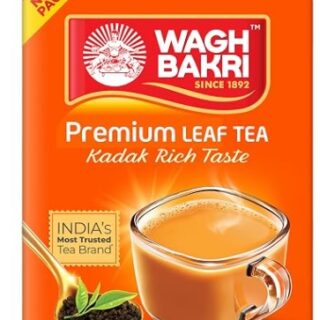 Wagh Bakri Assam Premium Leaf Tea Carton Pack-500 Gram
Original price was: ₹325.00.₹319.00Current price is: ₹319.00.
Wagh Bakri Assam Premium Leaf Tea Carton Pack-500 Gram
Original price was: ₹325.00.₹319.00Current price is: ₹319.00.
-
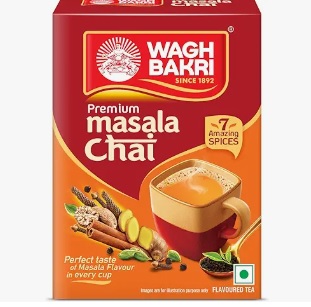 Wagh Bakri Premium Spiced Tea - 250 Gram
Original price was: ₹199.00.₹160.00Current price is: ₹160.00.
Wagh Bakri Premium Spiced Tea - 250 Gram
Original price was: ₹199.00.₹160.00Current price is: ₹160.00.
-
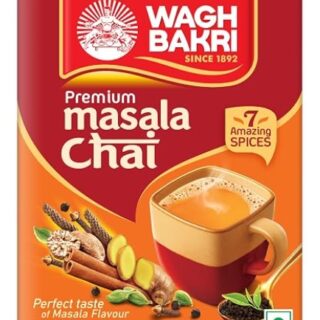 Wagh Bakri Premium Spiced Tea- 500 Gram
Original price was: ₹379.00.₹325.00Current price is: ₹325.00.
Wagh Bakri Premium Spiced Tea- 500 Gram
Original price was: ₹379.00.₹325.00Current price is: ₹325.00.
-
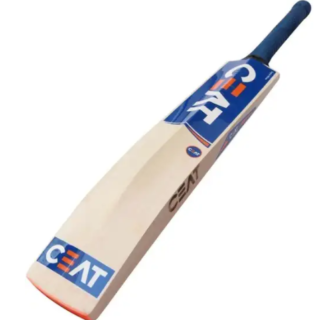 CEAT Poplar Willow Cricket Bat – Size 6
Original price was: ₹2,450.00.₹999.00Current price is: ₹999.00.
CEAT Poplar Willow Cricket Bat – Size 6
Original price was: ₹2,450.00.₹999.00Current price is: ₹999.00.